

Langtang Region - August 5, 2026
Langtang Village : A Complete Guide to Nepal’s Rebuilt Himalayan Settlement
Table of Contents
No headings found in this article.
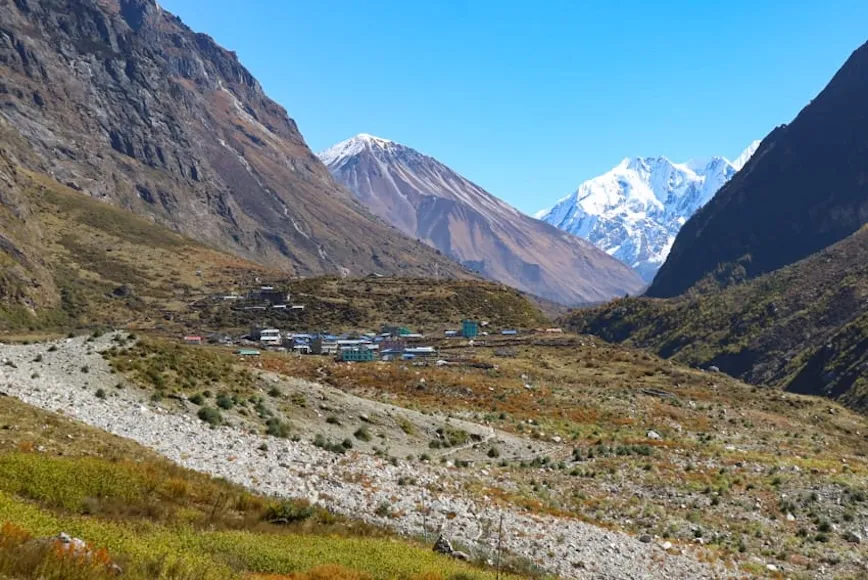
Nestled in the heart of the Langtang Valley, Langtang Village is one of Nepal’s most remarkable mountain settlements. Surrounded by snow-capped peaks, glaciers, and alpine meadows, the village offers visitors a unique combination of natural beauty, Tamang culture, and inspiring resilience. Although the devastating 2015 earthquake destroyed the original settlement, Langtang Village has risen again and welcomes trekkers from around the world.
Today, the village is not only a popular stop on the Langtang Valley Trek but also a symbol of hope and determination. This guide covers everything you need to know about Langtang Village, including its history, altitude, population, hotels, and the impact of the earthquake.
Where Is Langtang Village?
It lies in the northern part of Nepal within the beautiful Langtang Valley. The village is located inside the famous Langtang National Park, one of Nepal’s most important conservation areas.
Langtang Lies in Which District?
Village is located in Rasuwa District of Bagmati Province, Nepal. The district shares an international border with China (Tibet Autonomous Region) and is famous for its spectacular Himalayan scenery, diverse wildlife, and rich Tamang culture.
Rasuwa District is one of Nepal’s most popular trekking destinations. It is home to the famous Langtang Valley Trek, the culturally rich Tamang Heritage Trail, and the sacred Gosainkunda Lakes. The trekking route from Rasuwa also connects with the beautiful Ruby Valley Trek, offering trekkers an opportunity to explore remote mountain villages and experience authentic local culture while traveling between the Langtang and Ganesh Himal regions.
Altitude
The Langtang Village altitude is approximately 3,430 meters (11,253 feet) above sea level. At this elevation, trekkers enjoy stunning mountain views and experience the unique alpine environment of the Himalayas.
Because of its high altitude, visitors should acclimatize properly while trekking. Most trekkers spend a night in Langtang Village before continuing toward Kyanjin Gompa.
Population
Before the earthquake, the Langtang Village population was estimated to be around 300 to 400 residents. Most inhabitants belonged to the Tamang community and depended on tourism, yak farming, and agriculture for their livelihoods.
Following the devastating earthquake and avalanche in 2015, many families relocated temporarily. However, numerous residents returned and rebuilt their homes and businesses. Today, the population remains smaller than before, but the village is steadily growing again as tourism recovers.
Before and After the Earthquake
Village Before
Before 2015, Langtang Village was a thriving Himalayan settlement. Stone houses, cozy tea houses, and traditional Tamang homes lined the valley floor. Hundreds of trekkers passed through the village every trekking season.
The village was known for:
- Traditional Tamang culture
- Beautiful mountain scenery
- Yak pastures and cheese production
- Friendly tea houses
- Vibrant trekking tourism
Village After
The village changed forever after the earthquake of April 2015. A massive avalanche triggered by the earthquake buried nearly the entire settlement.
Despite the tragedy, the local community showed incredible resilience. Survivors rebuilt the village in a safer location nearby. New lodges, modern tea houses, and improved trekking infrastructure now welcome visitors once again.
Today, Langtang Village stands as one of Nepal’s most inspiring examples of recovery and community strength.
Earthquake
The earthquake occurred on 25 April 2015, when a magnitude 7.8 earthquake struck Nepal. The earthquake triggered a massive landslide and avalanche from the surrounding mountains.
The disaster completely buried the original village and caused the loss of many local residents, trekkers, and guides. It became one of the deadliest tragedies in Nepal’s mountain regions.
The reconstruction process took several years, supported by local communities, international organizations, and the tourism industry. Today, memorials in the village honor those who lost their lives during the disaster.
Village Now
Langtang Village now looks very different from the settlement that existed before 2015. The rebuilt village features:
- Comfortable tea houses
- New trekking lodges
- Improved communication services
- Solar power systems
- Better accommodation facilities
- Stronger community infrastructure
The village has once again become a popular stop for trekkers heading toward Kyanjin Gompa and Langtang Glacier.
Visitors today find a peaceful mountain community that proudly preserves its Tamang culture while embracing sustainable tourism.
Hotel and Accommodation
Finding accommodation in Langtang Village is relatively easy during the trekking season. Several family-run lodges and tea houses provide comfortable services for trekkers. Most lodges offer comfortable twin rooms, shared or attached bathrooms, hot meals, Wi-Fi, charging facilities, and hot showers.
Based on our experience guiding trekkers in the region, Hotel Travellers consistently receives excellent feedback from our clients for its cleanliness, hospitality, and comfort.”
Although accommodation in the region is simple compared to city hotels, Hotel Travellers provides one of the most comfortable and welcoming stays in the valley. During the busy spring and autumn seasons, we recommend booking in advance, as the best lodges can fill up quickly.
Culture and Lifestyle
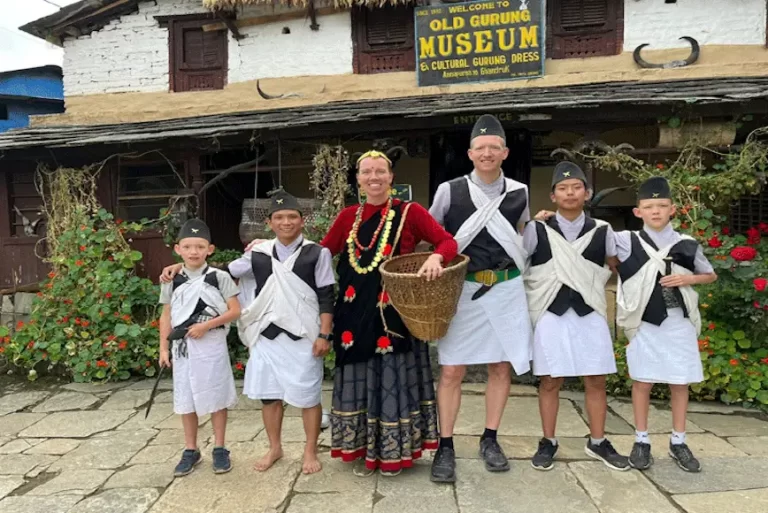
The people of Langtang Village belong primarily to the Tamang ethnic community. Their culture shares strong connections with Tibetan traditions.
Visitors can experience:
- Ancient Buddhist traditions
- Prayer flags and monasteries
- Traditional stone houses
- Yak herding culture
- Local hospitality
The warmth and resilience of the local people make Langtang Village one of Nepal’s most memorable trekking destinations.
Why Visit Langtang Village?
Langtang Village offers far more than mountain scenery. It gives visitors an opportunity to experience:
- Authentic Tamang culture
- Beautiful Himalayan landscapes
- Historic trekking routes
- Incredible mountain views
- Inspiring stories of resilience and recovery
- Peaceful and less crowded trails compared to Everest and Annapurna
The journey to Langtang Village combines adventure, culture, and meaningful human connections.
Best Time to Visit
The best seasons to visit Langtang Village are:
Spring (March to May)
- Rhododendron forests bloom.
- Pleasant temperatures.
- Excellent mountain views.
Autumn (September to November)
- Clear skies.
- Stable weather.
- Ideal trekking conditions.
Winter is also beautiful, although temperatures can drop significantly and snowfall may affect the trails.
Conclusion
Langtang Village remains one of Nepal’s most inspiring Himalayan destinations. Located in Rasuwa District at an altitude of 3,430 meters, the village has overcome unimaginable tragedy and rebuilt itself into a thriving trekking destination once again. From its rich Tamang culture and comfortable lodges to its breathtaking mountain scenery and remarkable history, Langtang Village offers an unforgettable experience for every traveler.
If you are planning trek through the beautiful Langtang Valley, explore the surrounding peaks, or even travel anywhere in Nepal, consider going with a local trekking company for the best experience. The Ruby Alpine Trails team is always ready to help you plan an authentic and memorable Himalayan adventure across Nepal.