

Langtang Region - October 30, 2026
Langtang Valley Trek After the Flood : Trail Conditions, Safety and Travel Updates (2026)
Table of Contents
No headings found in this article.
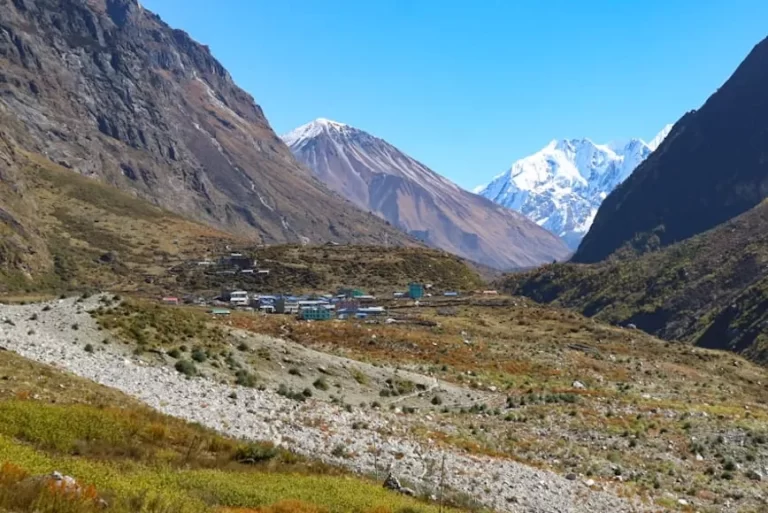
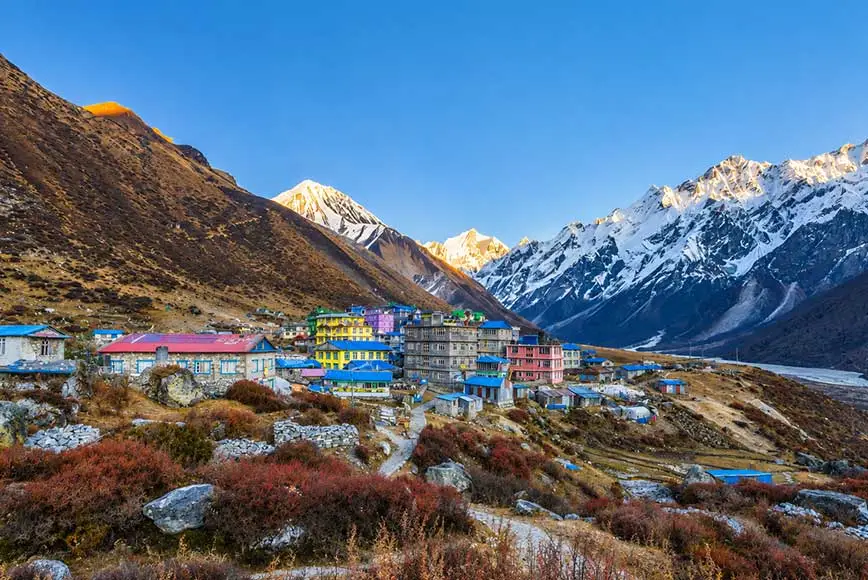
The Langtang Valley Trek is one of Nepal’s most beautiful Himalayan adventures. Located north of Kathmandu, close to the Tibetan border, the region offers spectacular mountain views, traditional Tamang villages, peaceful forests and impressive glacial landscapes.
However, severe floods and landslides in August 2026 affected several parts of Rasuwa District. The disaster damaged roads, bridges and infrastructure, particularly around Syabrubesi and the lower river areas. As a result, reaching the traditional starting point of the Langtang Valley Trek became difficult.
Many traveller’s are now asking: Is the Langtang Valley Trek open after the flood? Can visitors still reach Kyanjin Gompa? Is the Tamang Heritage Trail possible?
The upper Langtang Valley remains accessible for trekking, although visitors need to plan their transportation and access arrangements carefully. The main trekking trails towards Langtang Village and Kyanjin Gompa were not directly affected in the same way as the lower road sections.
In this guide, we explain the flood situation, current trekking arrangements, alternative access routes, the Tamang Heritage Trail and important safety information for planning your Langtang adventure in 2026.
Where Are Syabrubesi and Thulo Syabru Located?
Syabrubesi and Thulo Syabru are two separate settlements in Rasuwa District, Bagmati Province, in northern Nepal. Both are located in the Langtang region, but they serve different purposes for trekkers.
Syabrubesi: The Traditional Gateway to Langtang
Syabrubesi is a riverside settlement in the lower Langtang region, north of Kathmandu. It is traditionally the main starting point for the Langtang Valley Trek and an important access point for the Tamang Heritage Trail.
The usual journey from Kathmandu passes through Trishuli and Dhunche before reaching Syabrubesi. From there, trekkers traditionally begin walking towards Bamboo, Lama Hotel, Langtang Village and Kyanjin Gompa.
Syabrubesi has also provided accommodation, restaurants, transport services and other facilities for trekkers and local communities.
Thulo Syabru: A Traditional Tamang Mountain Village
Thulo Syabru, also written as Thulosyafru, is a separate Tamang village higher in the hills of Rasuwa District. It is an important settlement on trekking routes connecting the Langtang and Gosaikunda regions.
The village offers traditional Tamang culture and beautiful views of the surrounding mountains. Trekkers travelling between Langtang and Gosaikunda may include Thulo Syabru in a longer trekking itinerary.
The main difference: Syabrubesi is the traditional gateway to the Langtang Valley and Tamang Heritage trails, while Thulo Syabru is a higher mountain village connected to routes towards Gosaikunda.
1. What Happened in the Langtang Region After the Flood?
On August 26, 2026, severe floods and landslides affected several areas of Rasuwa District, particularly along the Bhotekoshi and Trishuli river corridors. The disaster damaged roads, bridges, riverside settlements and other infrastructure.
The lower region, especially around Syabrubesi and the road access towards Dhunche, experienced significant damage. These disruptions made transportation difficult for local residents, visitors and trekking groups.
However, the impact was not the same throughout the entire region. The main trekking trails towards Langtang Village and Kyanjin Gompa were not directly affected in the same way as the lower river areas.
Therefore, the biggest challenge for many travellers has been reaching the trekking area rather than the condition of the main trails inside the upper valley.
The floods also affected local communities, hotels, restaurants, guides, porters and small businesses that depend on tourism. Local people and authorities have continued working to restore access and support the recovery of the region.
2. Is the Langtang Valley Trek Open After the Flood?
Yes, trekking in the upper Langtang Valley is possible, although transportation arrangements may differ from previous years.
The Langtang, Kyanjin and Gosaikunda areas were open for trekking. The installation of a Bailey bridge at Betrawati also helped improve access towards the region.
Depending on road conditions, travellers may approach through Trishuli, Betrawati, Dhunche and Thulosyafru. Another possibility is to connect through the Helambu and Gosaikunda trekking route.
However, reopening does not mean that every road and bridge has returned to its previous condition. Some sections may still require repairs, and transportation arrangements can change.
Before departure, confirm the latest road conditions, bridge access and local trekking arrangements with a reliable trekking agency.
3. Alternative Routes to Reach Langtang Valley
Following the floods, alternative access arrangements became important for travellers planning to visit the Langtang region. The most suitable option depends on current road conditions, available transport and your trekking itinerary.
Route 1: Kathmandu – Trishuli – Betrawati – Dhunche – Thulosyafru
This route provides access towards the Langtang region through the restored connection at Betrawati.
The journey starts in Kathmandu and follows the road towards Trishuli and Betrawati. After crossing the Bailey bridge, travellers continue towards Dhunche or Thulosyafru, depending on the road conditions and available transportation.
From the appropriate starting point, trekkers can continue on foot towards Bamboo, Lama Hotel, Langtang Village and Kyanjin Gompa.
This is an important option for travellers who want to experience the traditional Langtang Valley Trek.
Route 2: Kathmandu – Sundarijal – Chisapani – Helambu – Thadepati – Gosaikunda – Thulosyafru
This is a longer alternative through the Helambu and Gosaikunda regions.
Instead of travelling through the lower road corridor around Syabrubesi, trekkers can begin from Sundarijal or Chisapani and follow the Helambu route.
The journey continues through Thadepati and Ghopte towards the sacred Gosaikunda Lakes before connecting with the route towards Thulosyafru and the Langtang region.
This option offers additional mountain scenery, traditional villages and alpine landscapes. However, it requires more trekking days and proper preparation.
Important: Access routes and transportation arrangements can change. Always check the latest information with local authorities and your trekking agency before travelling.
4. What Are the Trail Conditions Inside Langtang Valley?
The main trekking experience inside the upper Langtang Valley remains available. Once trekkers reach the established trail, they can explore the beautiful landscapes and traditional mountain settlements that make this region famous.
The traditional route passes through several important destinations:
- Bamboo: A peaceful settlement surrounded by forests and mountain streams.
- Lama Hotel: A popular overnight stop before continuing towards the upper valley.
- Langtang Village: A traditional Tamang settlement surrounded by impressive Himalayan scenery.
- Mundu: A beautiful settlement known for its traditional architecture and local hospitality.
- Kyanjin Gompa: The main destination of the trek, surrounded by Himalayan peaks, glaciers and alpine landscapes.
Although the upper trail remains accessible, conditions can change throughout the year. Rainfall, landslides, snowfall and changing river levels may affect certain sections.
Travelling with an experienced local guide helps you understand the trail conditions and make suitable decisions along the journey.
5. Can You Do the Tamang Heritage Trail After the Flood?
Yes, the Tamang Heritage Trail remains a possible trekking option after the 2026 floods, although travellers need to make additional arrangements because of the damage around Syabrubesi.
Syabrubesi is the traditional starting point of this trail. The floods damaged local infrastructure, including houses, hotels, guesthouses and road connections. Accommodation facilities in the village remain limited, so visitors should arrange their overnight stays carefully.
Currently, vehicles cannot reach Syabrubesi through the usual driving route because road access has not fully recovered. However, local communities have constructed a temporary wooden suspension bridge near Syabrubesi, allowing people to cross the affected section on foot and reach the village.
From there, trekkers can continue towards the upper Tamang villages. And also continue to another beautiful trekking destination Ruby valley as well.
The villages of Gatlang, Goljung, Tatopani, Nagthali Taruche Trek remain possible destinations for travellers. These settlements offer opportunities to experience traditional Tamang culture, local architecture, mountain scenery and community hospitality.
Although transportation and accommodation require additional planning, visitors can still explore the upper villages on foot, subject to the latest local conditions.
At Ruby Alpine Trails, we stay in contact with local communities and check access conditions before organising departures. We can help arrange transportation, accommodation and trekking logistics according to the situation at the time of travel.
6. Why Visit Langtang Valley After the Flood?
Visiting Langtang responsibly can help support communities that depend on tourism. Hotels, teahouses, restaurants, guides, porters and small local businesses all benefit from visitors.
Here are three reasons to consider visiting the region:
Support Local Communities
Many families in the Langtang region depend on trekking tourism for their livelihoods. Staying in locally operated teahouses, eating at village restaurants and hiring local guides and porters can help support the local economy.
Experience Tamang Culture
Langtang is home to communities with strong Tamang cultural traditions. During the trek, you can explore traditional villages, visit Buddhist monasteries, see prayer flags and mani walls, and experience local hospitality.
Enjoy Himalayan Scenery
The region offers magnificent views of Langtang Lirung, Ganesh Himal and other Himalayan peaks. Forests, alpine meadows, glaciers and viewpoint hikes around Kyanjin Gompa make the journey especially rewarding.
7. Is It Safe to Do the Langtang Valley Trek in 2026?
Safety should always come first when planning a Himalayan trekking adventure.
The upper Langtang Valley remains accessible, but travellers should distinguish between the trekking destinations and the roads leading to them. Some lower access infrastructure has experienced significant damage, and temporary arrangements may still be necessary.
Before starting your journey, follow these precautions:
- Check the latest route information: Confirm road access, bridge conditions and trail updates.
- Travel with an experienced guide: A local guide can help manage unexpected changes and understand the region.
- Follow local instructions: Respect advice from local authorities, park officials and trekking professionals.
- Check the weather: Heavy rainfall can increase the risk of landslides, flooding and trail disruptions.
- Keep your itinerary flexible: Allow extra time for transportation changes and unexpected delays.
- Carry suitable equipment: Bring trekking boots, warm clothing, rain protection and a basic first-aid kit.
Avoid crossing swollen rivers or travelling through unstable areas. If authorities close a section, follow their instructions.
8. Best Time for the Langtang Valley Trek
The best seasons for the Langtang Valley Trek are generally spring and autumn.
Spring (March to May)
Spring offers pleasant trekking conditions, colourful forests and excellent opportunities to enjoy mountain scenery. Rhododendron forests bloom along several sections of the trail. Days become warmer, although mornings and evenings remain cold at higher elevations.
Autumn (September to November)
Autumn is traditionally one of the best seasons for trekking in Nepal. After the monsoon, the skies often become clearer, offering impressive mountain views and comfortable daytime temperatures.
Following the 2026 floods, travellers planning autumn departures should pay particular attention to road access and alternative transportation arrangements.
Regardless of the season, check the latest weather and route conditions before travelling.
9. How Many Days Do You Need for the Langtang Valley Trek?
The Langtang Valley Trek usually takes around 7–10 days, depending on your starting point, walking pace and acclimatisation schedule.
A standard itinerary generally includes:
- Travel from Kathmandu to the selected trekking starting point.
- Trek through Bamboo and Lama Hotel.
- Continue towards Langtang Village and Mundu.
- Reach Kyanjin Gompa.
- Enjoy an acclimatisation day and optional hikes to Kyanjin Ri or Tserko Ri.
- Return through the Langtang Valley.
If you choose the longer alternative through Helambu and Gosaikunda, you will need additional trekking days.
Your itinerary should also allow flexibility for changing transportation arrangements.
10. How Ruby Alpine Trails Can Help You Plan Your Langtang Trek
At Ruby Alpine Trails Pvt. Ltd., we understand the Langtang region and its trekking routes. Our local experience helps us organise practical itineraries and arrange transportation, accommodation, permits and trekking support.
We understand that recent floods have created uncertainty for international travellers. That is why we check the latest access conditions before confirming trekking arrangements.
Our services include:
- Experienced, licensed local trekking guides.
- Transportation arrangements from Kathmandu.
- Teahouse accommodation, subject to availability.
- Assistance with required trekking permits.
- Porter services when required.
- Itinerary planning and acclimatisation arrangements.
- Local support throughout the journey.
Whether you are planning a private trek, a small group adventure or a customised itinerary, our team can help organise your Langtang journey according to the latest conditions.
Frequently Asked Questions About the Langtang Valley Trek After the Flood
Is the Langtang Valley Trek open after the 2026 floods?
Yes, trekking in the upper Langtang Valley is possible. The main destinations, including Langtang Village and Kyanjin Gompa, remain accessible. However, road access and transportation arrangements may change, so check the latest local updates before departure.
Can I reach Syabrubesi by jeep after the flood?
The usual road access to Syabrubesi has not fully recovered. Travellers may need alternative transportation arrangements and may have to cross the affected section on foot using the temporary wooden suspension bridge near Syabrubesi.
Can I do the Tamang Heritage Trail after the flood?
Yes. The upper Tamang villages, including Gatlang, Goljung, Tatopani, Nagthali and Taruche, remain possible destinations. However, access through Syabrubesi requires additional planning.
Is accommodation available in Syabrubesi?
Accommodation facilities in Syabrubesi remain limited following the flood damage. Confirm available hotels and guesthouses before starting your trek.
How many days do I need for the Langtang Valley Trek?
Most itineraries take around 7–10 days, depending on the starting point, walking pace and acclimatisation schedule. A longer route through Helambu and Gosaikunda requires additional days. You can also check your 8 days Langtang valley trek detailed itinerary here as well.
Final Thoughts: Plan Your Langtang Valley Trek Responsibly
The 2026 floods created serious challenges for communities and tourism businesses in Rasuwa District. Damaged roads, bridges and transportation infrastructure disrupted access to the Langtang region and affected families who depend on tourism.
However, the upper Langtang Valley remains an attractive destination for travellers who want to experience beautiful mountains, traditional Tamang culture and welcoming local hospitality.
The Tamang Heritage Trail also remains a possible trekking option, although visitors need to plan carefully because of damaged road access and limited accommodation around Syabrubesi.
Choosing to visit Langtang responsibly can help support local communities as they continue rebuilding their livelihoods.
If you are planning the Langtang Valley Trek after the flood, check the latest access information, allow flexibility in your itinerary and travel with an experienced local team.
Contact Ruby Alpine Trails Pvt. Ltd. to plan your Langtang Valley Trek in Nepal. We can help you choose a suitable route, arrange the necessary logistics and prepare for a memorable Himalayan journey.