Trip overview
Yala Peak Climbing
Yala Peak climbing is one of Nepal’s most rewarding and accessible Himalayan adventures. Located in the Langtang region, this beautiful trekking peak offers a perfect blend of mountain scenery, cultural immersion, and a thrilling summit experience without needing advanced technical skills. Trekkers who want to attempt their first Himalayan peak often choose Yala because it is budget-friendly, short in duration, and achievable with basic preparation. With its moderate height, scenic approach and supportive local communities, Yala Peak climbing provides an ideal introduction to peak climbing in Nepal.
Yala Peak Height
Yala Peak height stands at 5,500 meters (18,045 ft), making it a moderately high Himalayan summit suitable for trekkers who want to gain first mountaineering experience. The height is high enough to offer a real challenge but not extreme enough to require complicated climbing techniques. The altitude slowly increases from the lower Langtang Valley, giving climbers enough time for acclimatization before pushing toward the summit. Because of its manageable elevation. The peak is considered one of the safest training climbs for future high-mountain expeditions.
Beauty of Yala Peak
One of the greatest attractions of this Peak is the incredible natural beauty surrounding the region. The trek passes through dense forests of rhododendron, oak, and pine, followed by open alpine meadows, glacial valleys, and traditional Tamang and Tibetan-influenced villages. The views during the ascent become more dramatic each day. From the summit, you witness a breathtaking panorama of Langtang Lirung, Dorje Lakpa, Gangchempo, Changbu Himal, Naya Kanga, and even Shishapangma in Tibet. The combination of towering peaks, untouched landscapes, and peaceful Himalayan atmosphere makes the beauty of the peak unforgettable for every climber.
Yala Peak Base Camp
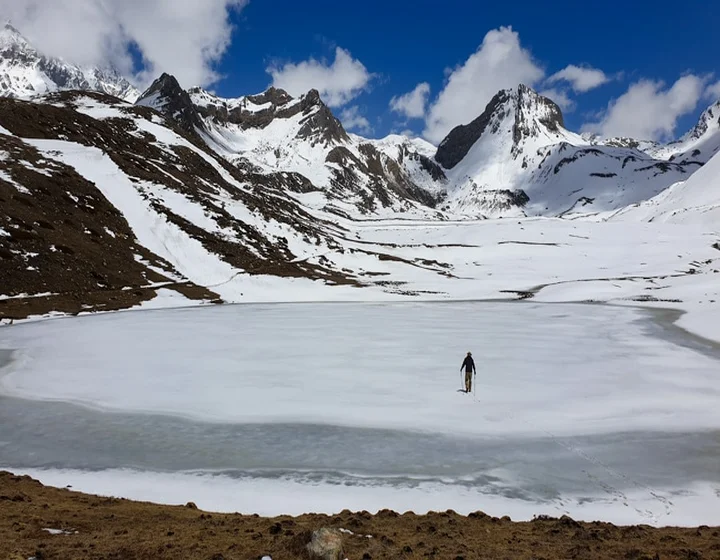
The journey toward the summit begins at Yala Peak base camp, situated at 4,900 meters. Yala Base camp is a quiet, open alpine zone with stunning views of surrounding glaciers and ridgelines. Climbers spend the afternoon practicing essential mountaineering techniques such as using crampons, holding an ice axe, walking with a rope team, and understanding basic safety commands. This training makes climbers feel confident and prepared for the summit push the next morning. The peaceful environment of Yala Peak base camp also allows trekkers to enjoy the Himalayan wilderness away from crowded routes.
Why Yala Peak Climbing Is Popular
Yala is unique that combines cultural discovery, scenic trekking, and high-altitude adventure. The Langtang region is home to warm local communities, ancient monasteries, yak pastures, and traditional lifestyles influenced by Tibetan Buddhism. Trekkers experience both the natural and cultural richness of the Himalayas during the approach. The climb itself is straightforward, making it ideal for those who want to challenge themselves at altitude without taking on dangerous or technical terrain. The peak offers a rewarding experience that blends exploration, learning, and adventure.
Is Yala Peak Climbing Suitable for You?
This peak is suitable for beginners as well as experienced trekkers. If you enjoy multi-day trekking and have a good level of fitness, this climb will feel achievable and exciting. Because the trail does not require technical skills, most healthy trekkers can successfully reach the summit with guidance from a trained climbing guide. You should choose this climb if you:
- Want to attempt your first Himalayan peak
- Prefer a short climbing expedition
- Enjoy cultural and scenic trekking routes
- Have basic trekking experience and good stamina
- Want a cost-friendly climbing adventure
If you can comfortably trek for 5–7 hours a day and handle moderate altitude, the peak is an excellent choice for you.
Preparation for Yala Peak Climbing
Preparation plays a crucial role in the success for climbing peaks. While the route is non-technical, reaching 5,500 meters requires good fitness, mental strength, and acclimatization. Here are the essential preparation steps
Physical Training : You should begin training at least four to six weeks before the climb. Focus on:
- Long hikes or walks
- Leg strengthening exercises
- Cardiovascular training such as running or cycling
- Breathing exercises
Acclimatization : Gradual ascent prevents altitude-related problems. The Langtang Valley naturally provides good acclimatization conditions due to its gentle elevation gain.
Mental Preparation : Climbing requires patience, focus, and determination. You may face cold mornings, steep sections, and long walking days. Staying positive helps you enjoy the experience fully.
With the right preparation, most trekkers find Yala Peak climbing comfortable, manageable, and incredibly rewarding.
Best Time for Climbing
The best weather for Yala Peak climbing usually occurs in autumn and spring.
Autumn (September–November)
- Clear skies
- Stable weather
- Best mountain views
- Comfortable temperatures
Spring (March–May)
- Warmer climate
- Rhododendron forests in bloom
- Good snow conditions
- Ideal for photography
Winter is possible but extremely cold. The monsoon season brings rain and clouds, reducing visibility. For safety, comfort, and success, autumn and spring offer the most favorable conditions.
Difficulty Level
The difficulty level of Yala Peak climbing is considered moderate, making it suitable for both beginners and experienced trekkers. The route involves trekking through rocky trails, walking across snowy slopes, and navigating gentle glacier sections. While the climb is non-technical, the increasing altitude makes the ascent physically demanding and requires proper pacing and acclimatization.
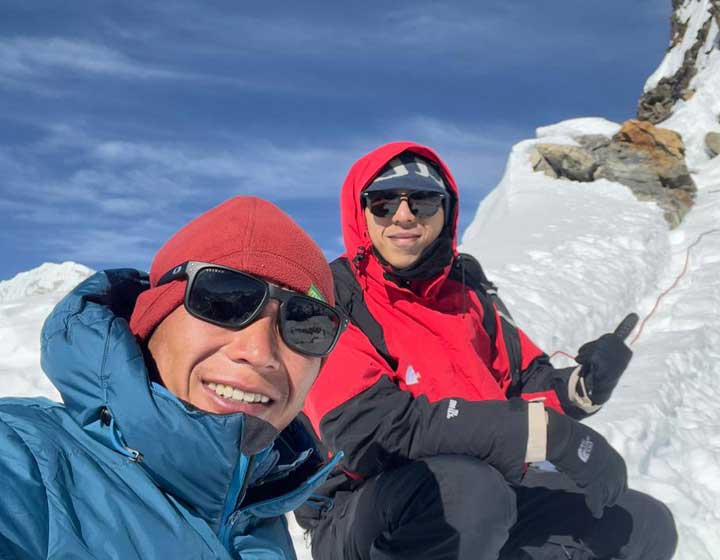
The summit day is the most challenging part of the climb. It starts early in the morning and involves walking on firm snow while wearing crampons. As you get closer to the top, the route becomes slightly steeper, and there is a 100-meter rope section near the summit where climbers follow a fixed line for extra safety. This section is not technically difficult, but it requires focus, steady balance, and careful footwork.
With proper guidance from a licensed climbing guide, most trekkers successfully reach the summit of Yala Peak. The manageable terrain and moderate difficulty make Yala Peak an excellent training peak for future climbs such as Island Peak, Mera Peak, or Lobuche East.
Peak Climbing and Trekking Cost
The full Yala Peak climbing and the trekking package cost is USD 990 per person, with special group discounts available. This package offers a complete and well-organized experience, ensuring comfort, safety, and proper support throughout the journey.
Our full package typically includes:
- Professional and licensed climbing guide
- Porter service
- Yala Peak climbing permit
- Langtang National Park entry permit
- Meals and accommodation during the trek
- Base camp equipment (tents, kitchen gear, dining setup)
- Transportation to and from Syabrubesi
If you prefer to manage some aspects of the trip independently, the cost may vary depending on the services you choose. However, the full-package option provides a safer and more convenient climbing experience, especially for those new to Himalayan peak climbing. Yala Peak is also more affordable than many other peaks because the route does not require expensive flights or heavy logistical arrangements.
For climbers seeking only base camp services, we also offer a budget-friendly Yala Base Camp Service Package. This includes:
- A certified climbing guide
- Tent accommodation at base camp
- Meals at Yala Peak base camp
We offer the Yala base camp–only service in the cost of USD 350 per person, making it a flexible and economical option for those who want minimal support while still ensuring safety during the climb.Whether you choose the full package or the base camp service, we offer the best price.
Conclusion
Yala Peak climbing offers a perfect introduction to Himalayan mountaineering. With its moderate height, manageable difficulty, breathtaking scenery, and cultural richness, it attracts trekkers from around the world. Whether you want to train for future climbs or simply enjoy a short and rewarding high-altitude adventure, Yala Peak delivers everything you need. From the beauty of the peak to the supportive climbing environment, this climb remains one of Nepal’s top choices for beginners and adventure-seekers alike.
Itinerary
The guide will pick you up in your Hotel then drive to the jeep station and take the jeep to Syabrubesi. Drive along the Trishuli River valley. The road winds through lush hills, terraced fields, and small settlements.
As you gain elevation, you’ll enter the Langtang region, famous for its rich Tamang and Tibetan culture.
Highlights:
Views of Ganesh Himal and Langtang range
Riverside villages and mountain roads
Overnight in the gateway village of Syabrubesi
Meals: Breakfast, Lunch, Dinner
Accommodation: Teahouse
The trek begins with a gradual ascent along the Langtang Khola. Walk through dense forests of oak, rhododendron, and bamboo, often spotting langur monkeys and birds.
Cross several suspension bridges before reaching Lama Hotel.
Highlights:
Beautiful forest walk
River cascades and small waterfalls
Peaceful lodges surrounded by nature
Meals: Breakfast, Lunch, Dinner
Accommodation: Teahouse
Today’s trail climbs steadily through pine forests and open meadows. The landscape widens as you approach Ghodatabela, where the first views of Langtang Lirung appear.
After lunch, continue hiking to Langtang Village, a historic Tamang settlement rebuilt after the 2015 earthquake.
Highlights:
Majestic views of Langtang Lirung
Yak pastures and stone-built villages
Tibetan Buddhist cultural experience
Meals: Breakfast, Lunch, Dinner
Accommodation: Teahouse
A shorter and easier day. Walk past mani walls, chortens, and prayer flags, following the gently rising valley toward Kyanjin Gompa.
This beautiful village is the cultural and spiritual center of Langtang.
Highlights:
Visit Kyanjin monastery
Explore the local cheese factory
Wide valley views of Langtang Himal
Meals: Breakfast, Lunch, Dinner
Accommodation: Teahouse
A full day for acclimatization and preparation. You can choose one of the following hikes:
Kyanjin Ri (4,773m) – 3-4 hours; perfect for acclimatizing
Tserko Ri (5,000m) – 5–6 hours; stunning 360° Himalayan views
Back in Kyanjin, rest, hydrate, and pack your gear for the climb.
Meals: Breakfast, Lunch, Dinner
Accommodation: Teahouse
The trail gradually climbs over rocky terrain and open glacier fields. As you approach base camp, panoramic views of Dorje Lakpa, Langtang Lirung, and Shishapangma dominate the skyline.
At base camp, your climbing guide will set up tents and brief you on safety and climbing techniques.
Meals: Breakfast, Lunch, Dinner
Accommodation: Tent (Camping)
A very early morning start (around 2–3 AM) to take advantage of stable weather.
Using ropes and basic climbing gear, follow your guide on snow and ice sections toward the summit.
At the top of Yala Peak, enjoy breathtaking views of:
Shishapangma (8,027m)
Langtang Lirung
Dorje Lakpa
Tibetan snow peaks
After celebrating and taking photos, descend carefully back to base camp, pack up, and retrace the trail to Kyanjin Gompa.
Meals: Breakfast, Lunch, Dinner
Accommodation: Teahouse
Descend the valley the same way, passing beautiful forests and yak pastures. The walk is mostly downhill and easier.
Meals: Breakfast, Lunch, Dinner
Accommodation: Teahouse
Your final trekking day descends gradually through lush forests and riverside trails. Arrive in Syabrubesi and enjoy a well-earned hot meal and rest.
Meals: Breakfast, Lunch, Dinner
Accommodation: Teahouse
Drive back following the scenic Trishuli River. Once in Kathmandu, you can ewertyuinjoy a farewell dinner, shopping, or relaxation.
Meals: Breakfast, Lunch
Accommodation: Hotel in Kathmandu
Included
- Hotel–bus park transfers.
- Round-trip transport Kathmandu–Syabrubesi by shared jeep or public bus.
- Clean lodge accommodations during the trek.
- Three daily meals (breakfast, lunch, dinner) with Nepali, Indian, Chinese, Italian & European options.
- Langtang National Park permit and TIMS card.
- Licensed, experienced English-speaking trekking guide.
- One porter for every 2 trekkers.
- Guide’s expenses: food, accommodation, transport, salary, insurance & equipment.
- Group climbing gear (ropes, ice screws, snow bars, harness, carabiners).
- Climbing guide and cook during the climbing period.
- Garbage deposit fee and eco-friendly waste handling.
- Basic first aid kit for high altitude.
Not Included
- Personal climbing gear and clothing.
- Personal travel insurance (including high-altitude rescue).
- Tips for guide and porter.
- All beverages (soft and alcoholic).
- Drinking/mineral water, snacks, and desserts.
- Hot showers and laundry.
- Any expenses not mentioned in “Cost Includes.”
- Costs from unforeseen events (landslides, bad weather, illness, strikes, policy changes, etc.).
Useful Info
Yala base camp service
For climbers seeking only base camp services, we also offer a budget-friendly Yala Base Camp Service Package. This includes:
- A certified climbing guide
- Tent accommodation at Yala base camp
- Meals at Yala Peak base camp
This Yala base camp–only service is available for USD 350 per person, making it a flexible and economical option for those who want minimal support while still ensuring safety during the climb.
Whether you choose the full package or the base camp service, Yala Peak climbing remains one of Nepal’s most cost-effective and rewarding Himalayan adventures.
Essential Peak Climbing Gear and Equipment
Proper equipment ensures safety and comfort during Yala Peak climbing. Climbers usually bring personal trekking gear and rent specialized climbing items in Kathmandu. Essential gear includes:
Clothing
- Base layers (top and bottom)
- Warm fleece jacket
- Waterproof and windproof outer shell
- Down jacket for cold mornings
- Thermal gloves and insulated mittens
- Trekking pants and warm inner trousers
Footwear
- Sturdy trekking boots
- Climbing boots for summit day
- Gaiters
- Wool socks
- Climbing Equipmen
- Crampons
- Ice axe
- Climbing harness
- Helmet
- Carabiners and safety cords
- Rope (provided by guide/team)
Personal Items
- Sleeping bag
- Sunglasses (UV protection)
- Trekking poles
- Headlamp with extra batteries
- Water bottles or hydration system
Carrying the right equipment increases your comfort and confidence at high altitude and makes your Yala Peak climbing journey much safer.
Gallery


FAQs
-
What is Yala Peak Climbing?
Yala Peak Climbing is a popular trekking peak expedition in the Langtang region of Nepal. Standing at 5,500 meters, it is considered one of the easiest trekking peaks and is ideal for beginners seeking their first Himalayan summit.
-
Where is Yala Peak located?
Yala Peak is located in Langtang Valley, north of Kathmandu, near the Tibetan border. The climb is combined with the Langtang Valley Trek.
-
How difficult is Yala Peak Climbing?
Yala Peak Climbing is rated easy to moderate. It does not require advanced technical climbing skills, but good fitness, basic mountaineering training, and proper acclimatization are essential.
-
Do I need previous climbing experience for Yala Peak?
Not mandatory. Basic training in using crampons, ice axe, and rope techniques is provided during the expedition.
-
How long does Yala Peak Climbing take?
The standard Yala Peak Climbing itinerary takes 10 days, including trekking, acclimatization, and summit day.
-
What is the best season for Yala Peak Climbing?
The best seasons for Yala Peak Climbing are spring (April–May) and autumn (September–October) when weather conditions are stable and visibility is clear.
-
What permits are required for Yala Peak Climbing?
You need: Langtang National Park Permit TIMS Card.
-
Is altitude sickness a risk on Yala Peak?
Yes, due to the altitude above 5,000 meters. Proper acclimatization, slow ascent, and hydration reduce the risk significantly.
-
Is Yala Peak Climbing worth it?
Yes. Yala Peak Climbing offers spectacular views of Langtang Lirung, Dorje Lakpa, Shishapangma (Tibet) and provides an excellent introduction to Himalayan mountaineering.
-
Is Yala Peak suitable for beginners?
Yes. Yala Peak is one of the best beginner-friendly trekking peaks in Nepal, making it ideal for first-time climbers.